As more people gain access to technology, what it takes to make a difference is changing. A similar shift is underway across fields ranging from AI and data to new generations of products and user experience. Value comes from identifying the right problem, finding meaningful ways to apply technology and making a lasting difference in people’s lives.
Drawing on his observations across different technology and startup ecosystems, Alp Eren Göktürk, Entrepreneurship Projects Manager at Eczacıbaşı Holding, explores four shifts shaping the business world in an article for Eczacıbaşı Life Blog.
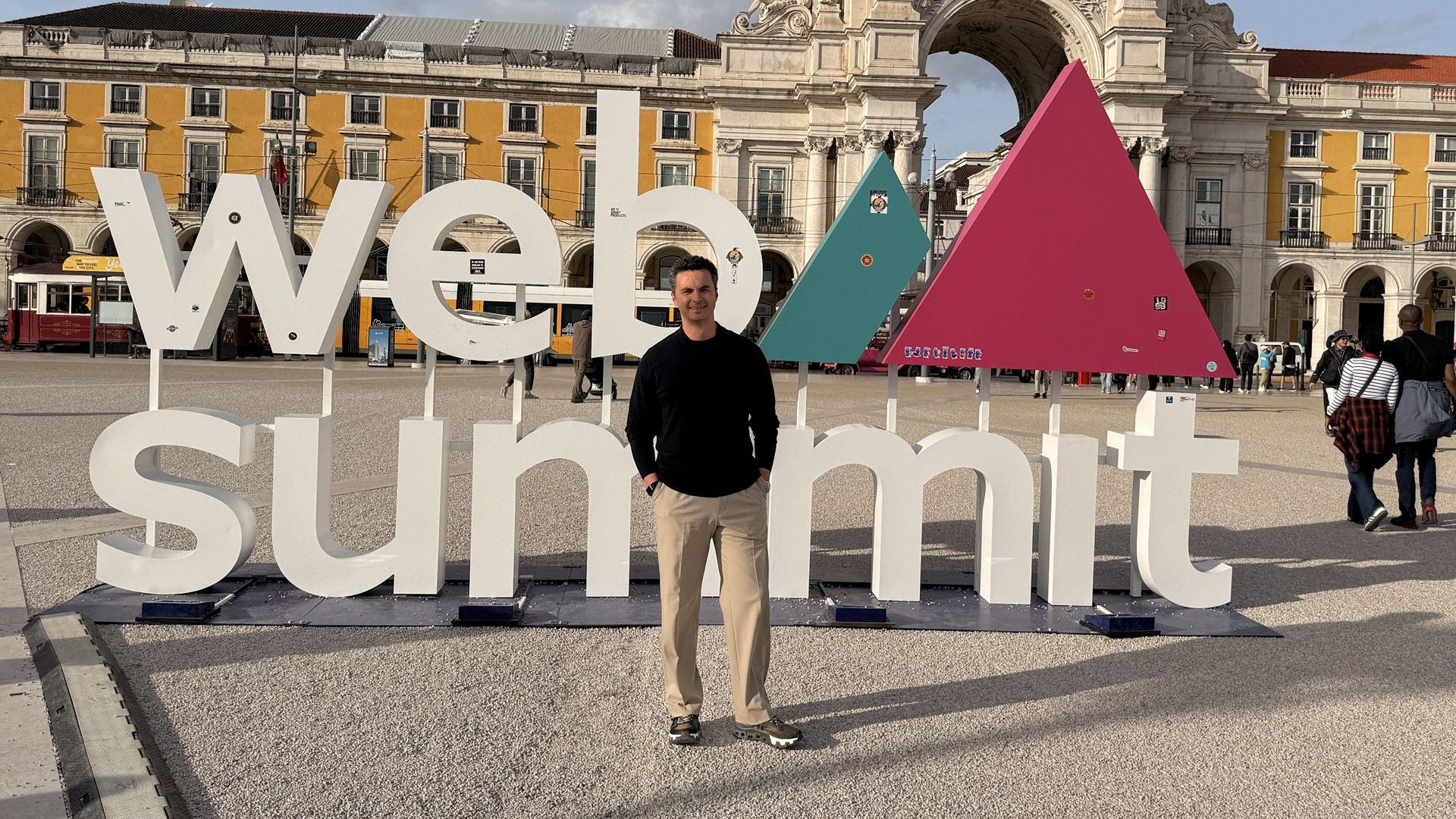
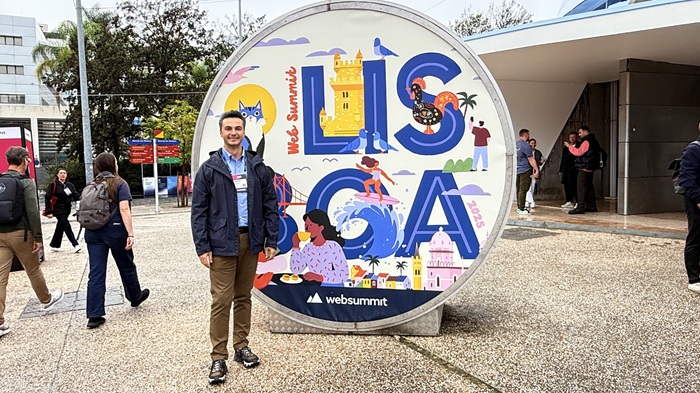
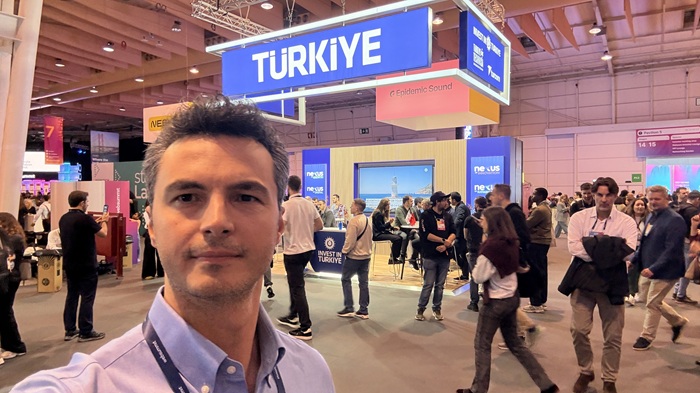
Over the past decade, I’ve had the opportunity to follow the worlds of entrepreneurship, investment and technology closely. At gatherings in Istanbul and abroad, including VivaTech in Paris and Web Summit in Lisbon, I’ve sat down with founders, investors, technology companies and corporate innovation teams.
The locations, speakers, industries, companies and business models vary from one event to the next. Yet the same questions keep coming up.
“What problem does this technology actually solve? How does it become a lasting part of people’s lives? How does it help us turn data into better decisions? How do companies make new tools a natural part of their everyday work?”
More and more, we’re speaking a common language about technology.
Across these events and ecosystems, four shifts stood out to me.
AI is evolving from a standalone technology into part of the infrastructure businesses rely on.
Data proves its value when it informs solutions that change behavior.
Companies are starting to design habits alongside products.
New opportunities are emerging from needs that have long gone unnoticed.
Together, these trends point to a fundamental shift in how we approach technology. Let’s take a closer look at each one.
“The real test for companies will be how naturally they can weave technology into the way they make decisions, run their operations and work together.”
AI is becoming part of business infrastructure
A few years ago, AI mainly brought to mind chatbots and apps that generated content or images. Today, it’s beginning to play a less visible but more consequential role.
At VivaTech, I noticed a shift from previous years. Alongside more powerful models and new applications, the conversations focused on digital agents that can handle tasks from start to finish, the move from isolated AI projects to AI embedded in everyday workflows, and the data and energy infrastructure needed to support that transition.
AI is moving beyond specialized applications and becoming a capability that teams across a company can use.
Nebius, an AI infrastructure provider listed on Nasdaq, is a case in point. The company, whose market capitalization exceeded $50 billion in 2026, supplies computing capacity for AI to hyperscalers, the largest cloud providers. That business led to a deal with Microsoft worth up to $19 billion. It’s a concrete example of how AI has become part of the infrastructure companies build their businesses on.
From production planning and procurement to finance, customer experience, human resources and R&D, each function is finding ways to use AI that fit its own needs.
As this happens, the role of central AI and technology teams is changing too. Setting common standards, keeping data secure, building shared infrastructure and establishing governance all remain important. Much of the value comes from the solutions business units develop to solve their own problems.
When I visited Station F, what caught my attention was how teams working along the same corridor were tackling entirely different problems. The startup hub’s vast buildings could accommodate hundreds of startups, all sharing the same infrastructure. What created value was the different solution each startup built on that shared foundation.
I think AI is heading in much the same direction. Shared platforms will be important. What will set companies apart is which teams use those platforms to develop new applications, which problems they choose to solve and how quickly they can put their ideas into practice.
Technology budgets and the size of central teams will still matter. But what will increasingly distinguish companies is how well their people make new tools a natural part of their everyday work. Technology develops best when teams across the organization have the flexibility to experiment and adapt.
The physical demands of this shift are growing too. The computing power, energy and cooling capacity that newer models require have put data centers at the center of the technology conversation. Ideas that would have seemed far out until recently, such as building data centers in space, show the scale of those demands. One example is STARCLOUD, a startup in NVIDIA’s accelerator program that is working to build a data center in space. It’s a reminder that as companies grow, their ability to think and act like entrepreneurs becomes more important than ever.
Digital transformation is reshaping energy infrastructure, investment in physical infrastructure and the debate over sustainability as profoundly as it is reshaping software.
Creating value also depends on how companies use the infrastructure they build. The real test for companies will be how naturally they can weave technology into the way they make decisions, run their operations and work together.
That’s why conversations at technology summits now go beyond what the latest tools can do. The main theme of VivaTech 2026 was “Impact over Illusion.” In a way, it felt like a direct response to a question that keeps coming up: “Is AI a bubble?” Ethics, digital sovereignty, energy consumption and sustainability are all part of the same conversation.
As technology matures, its impact on society is moving to the center of the debate.

“Real competitive advantage and innovation come from turning data into better experiences, more informed decisions or stronger products.”
Data creates value when it changes user behavior
One of the strongest trends I’ve seen across different ecosystems is health technology’s growing focus on what happens before people get sick.
A new economy is taking shape around healthy aging, preventive care, wearable technology and continuous monitoring of personal health data. At VivaTech and similar events, many of the startups I came across were focusing on how people manage their health in everyday life, well before they need hospital care.
People are paying closer attention to the signals their bodies send before a health problem develops. They’re tracking their sleep quality and stress levels and using what they learn to adjust their daily habits. Consumers are investing more in looking after their health before they need medical care, and wellbeing has already become a major market in its own right.
That’s why the value of health data depends on what people can do with it.
WUSA Smart drew attention at VivaTech 2026 with a contactless sensor that monitors heart rhythm without requiring people to wear a device and uses AI to detect cardiovascular risks early. Its real value lies in making health monitoring so unobtrusive that it can change people’s habits.
I think the same principle applies well beyond health care.
Companies are collecting more and more data from consumers, customers and production processes. Real competitive advantage and innovation come from turning data into better experiences, more informed decisions or stronger products.
A similar shift is taking place in how investors evaluate companies. Developing advanced technology still matters. Investors are increasingly looking at how often people use a product in their daily lives, how well it turns data into useful recommendations and whether a single transaction can grow into an ongoing relationship.
Companies are now designing habits
We see this link between data and behavior in many areas.
Today, many companies offer customer engagement platforms powered by AI that help brands build ongoing relationships shaped by how customers behave. The value comes from responding to a customer’s need at the right moment.
One of the most talked about shifts in retail is the growing role of digital assistants and AI agents in shopping. Consumers may soon start by telling an assistant what they need. The assistant can then research and compare dozens of products on their behalf and, over time, handle much of the purchase process too.
This shift changes how brands compete for visibility. Shelf space, store presence and search rankings are becoming part of a broader picture. It will increasingly matter whether both shoppers and the systems that make decisions on their behalf can understand what a product offers, whether it’s recommended at the right moment and whether brands can anticipate recurring needs.
For entrepreneurs, this is changing what it means to develop a product.
Building a good product is still essential. How naturally it fits into people’s lives, whether they come back to it and whether it becomes part of their daily routine now matter as much as its technical features. What will set companies apart is how effectively they use technology and data to build business models around ongoing, personalized relationships that extend beyond the initial sale or service.
That’s why companies are now designing the habits, experiences and relationships that form around a product as they develop the product itself.

“The most successful startups use technology to address needs that have been there all along but have largely gone unnoticed.”
New opportunities arise from overlooked needs
As I’ve followed what founders and investors are focusing on lately, one shift has stood out. Some of the ideas drawing attention address needs that went for years without even being recognized as problems.
Examples include energy management, healthy aging and stages of life whose challenges have received little attention because they were seen as a natural part of life.
Entrepreneurs are now rethinking these familiar experiences. Investors, meanwhile, are taking a closer look at markets where those needs are enduring and there’s still room for new solutions.
At VivaTech, one example was XPANCEO, which is developing smart contact lenses that use AI and aim to replace screens. The ambition behind the hardware is to design a new kind of interface for a need people have yet to articulate. In Türkiye, we’re also following the progress of academic entrepreneurs working in this area.
The most successful startups often spot these needs early and use technology to find creative ways to meet them.
To me, that’s where innovation begins.
Before asking, “What technology do we have at our disposal?” I would ask, “What are people still struggling with in their everyday lives?”
Many new categories take shape around needs that no one has fully taken on yet.
Spotting those needs early takes as much attention to consumer behavior, social change and the small difficulties people encounter every day as it does knowledge of technology.
“Great transformations begin when we ask questions we’ve never asked before.”
Before we look for better technology, let’s ask different questions
Powerful tools are becoming more widely available. Information is easier to find, and capabilities once reserved for specialists are opening up to more people.
As access expands, it will become even more important to identify the right problem, find a meaningful way to apply the technology and make the resulting solution a natural part of how a company operates or how people go about their day.
When the most advanced tools are available to everyone, what sets companies apart may well be the questions they ask. After all, great transformations often begin when we ask questions we’ve never asked before.