In recent years, our perception of hygiene has undergone a profound transformation. Since the pandemic, cleanliness has become more closely associated with safety, comfort and overall wellbeing. As touch-free technologies become increasingly widespread, our daily routines and living spaces are also evolving to meet these new expectations.
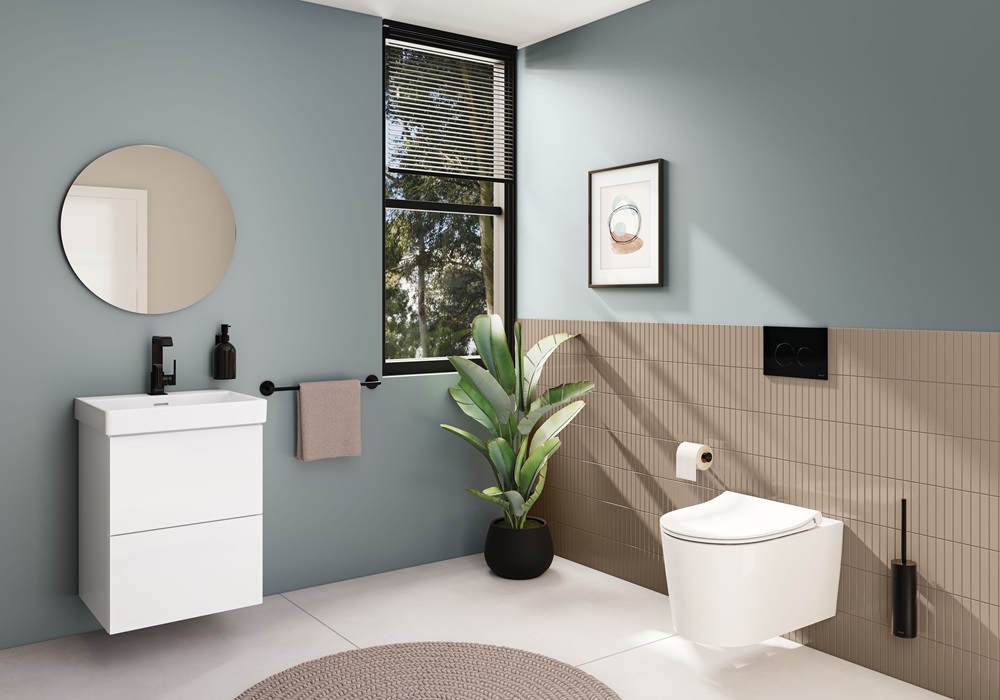
Habits across different regions of the world are becoming more aligned, while users are seeking experiences that are more personal, more comfortable and more holistic. Bathrooms are evolving as part of this transformation, becoming personal living spaces that shape the rhythm of everyday life.
Eczacıbaşı Group's approach to innovation is shaped by these changing needs and expectations. Bringing together design, technology and user insights, VitrA's V-Care series is a tangible example of this approach, focused on developing new solutions inspired by evolving lifestyle habits.
As part of the Innovation Talks series on the Eczacıbaşı Life Blog, we sat down with Zülkani Durmuş, Product Development Manager at Eczacıbaşı Building Products, and Batuhan Özdemir, Senior Product Development Engineer at Eczacıbaşı Building Products, to discuss the innovation behind V-Care, its journey from concept to product, and their vision for the bathroom experience of the future.
1. Hygiene perceptions and expectations have changed significantly in recent years, particularly following the pandemic. How do you interpret this shift? What has been the most significant change in user behaviour?
Zülkani Durmuş: This has been one of the most important topics across our industry in recent years. The pandemic fundamentally changed how people perceive hygiene, elevating it from a matter of comfort to a basic expectation.
Bathroom habits provide valuable insights into changing perceptions of hygiene. We have seen users become much more conscious of the surfaces they touch in bathroom environments, while demand has grown for hygiene solutions that are more personal, technology-driven and user-controlled. We see the rapid adoption of smart hygiene solutions as one of the clearest indicators of this transformation.
When it comes to touch-free products, the pandemic accelerated the need for hygiene solutions that are both contactless and fully controllable. Before the pandemic, smart toilets were largely perceived as products that offered comfort and luxury. Today, however, users prioritise solutions that minimise surface contact while allowing them to manage their personal hygiene with greater control.
Perhaps the most significant shift is that hygiene is no longer seen simply as an outcome—it has become an experience that users actively control. As a result, touch-free operation, personalised settings and discreet hygiene technologies have become standard expectations rather than premium features.
With its sensor-based technologies and user-centric design that gives people greater control over their hygiene experience, V-Care responds to these evolving expectations by transforming V-Care from a functional bathroom solution into a personalised care experience.
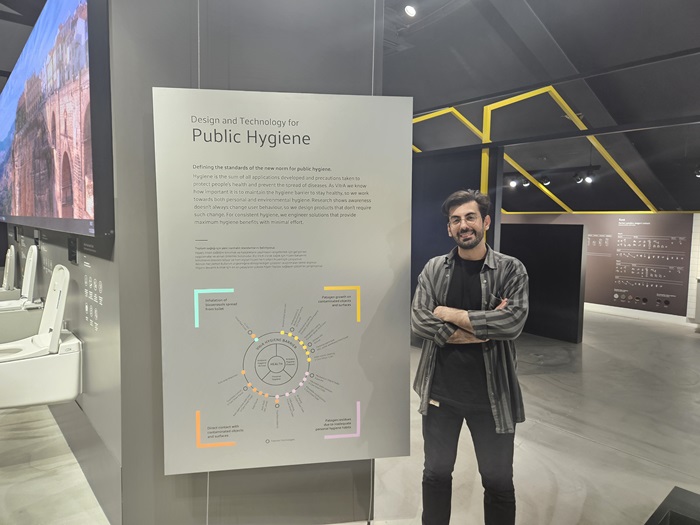
Batuhan Özdemir: "In product development, we place just as much emphasis on understanding user behaviour and everyday routines as we do on technical performance."
2. Personal hygiene habits vary significantly across different regions. From a global perspective, how do these differences influence your product development process?
Batuhan Özdemir: In my view, the most important point is that hygiene is fundamentally a cultural experience. Every region defines cleanliness, comfort and personal care routines differently, which naturally has a direct impact on how we develop our products. Likewise, users' perceptions of hygiene, expectations around privacy and attitudes towards technology can vary considerably from one market to another.
When developing products for global markets, designing a single "ideal user scenario" is simply not enough. Our products need to adapt to different cultures and user expectations. That's why, in our product development process, we place just as much emphasis on understanding user behaviour and everyday routines as we do on technical performance.
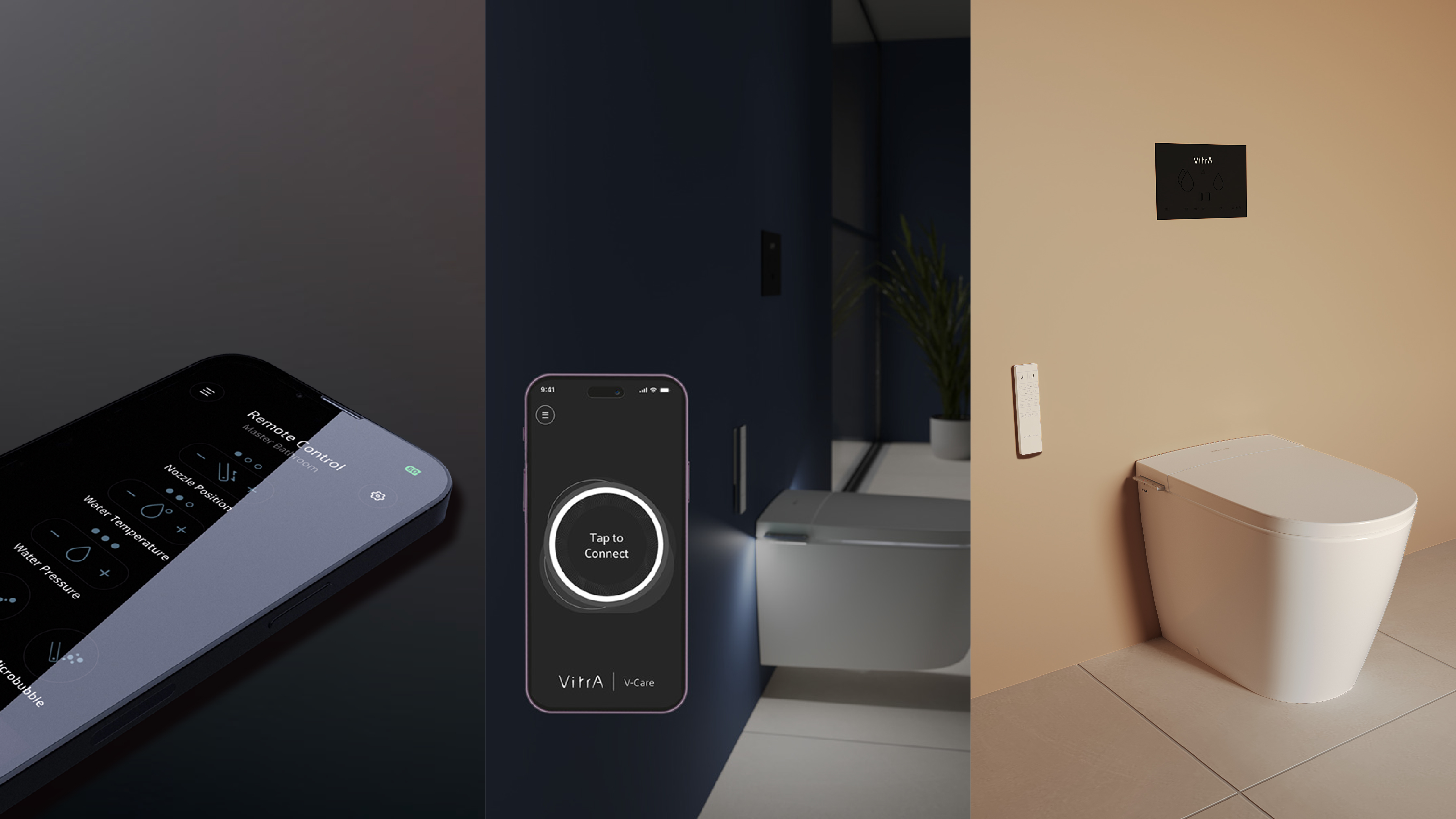
For example, user feedback and usability testing have been invaluable in helping us determine settings such as nozzle position, water temperature and water pressure. We also wanted users to personalise these routines according to their own preferences. This led us to introduce Personal Wash Programs in the V-Care mobile app, allowing users to create up to ten customised routines with different function durations, personalised settings and sequential functions—such as a wash cycle followed by drying—all accessible with a single tap.
We continuously gather insights from our user experience laboratory, product specialists and consumer insights teams, and use this data as a key input throughout our product development process.
Today, understanding different lifestyle cultures and translating those insights into meaningful technological solutions has become an essential dimension of how we develop new products.
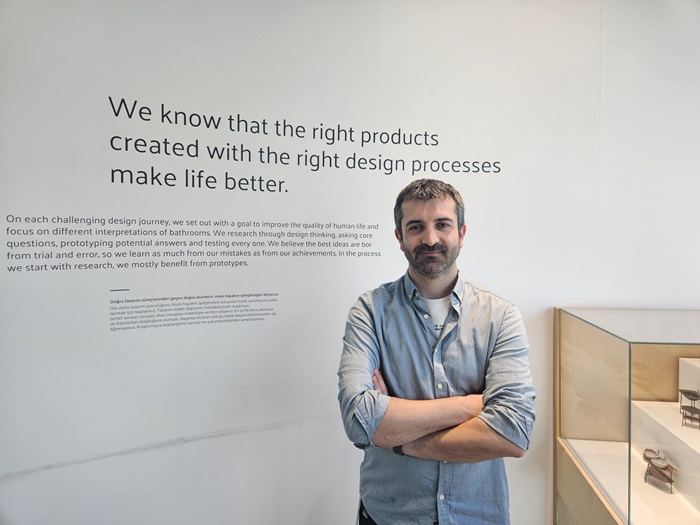
Zülkani Durmuş: "Today, users no longer expect only hygiene and cleanliness from their bathrooms. Comfort, control and personalisation have also become essential expectations."
3. Today, bathrooms are increasingly being seen as living spaces rather than purely functional areas. What are the key drivers behind this shift? What do users expect from their bathrooms today?
Zülkani Durmuş: Several factors are driving the transformation of bathrooms into living spaces. First, the pandemic led people to spend more time at home, encouraging them to see the bathroom not only as a functional space, but also as a place for relaxation and personal wellbeing. Second, growing awareness of hygiene and an increasing focus on personal care have made the bathroom a more active part of daily life.
The integration of technology and the growing adoption of smart products have also accelerated this transformation. At the same time, smartphones have become a natural part of the bathroom routine. As smart bathroom products become increasingly connected to mobile devices, they are creating experiences that are more personal, connected and premium.
Today, users expect not only hygiene and cleanliness from their bathrooms, but also comfort, control and personalisation. Factors such as ambient temperature, lighting, scent and quietness have become integral to the overall experience.
Smart products like V-Care are helping transform the bathroom from a purely functional space into a personalised environment for care and relaxation. In short, the bathroom is no longer simply a place for completing a daily routine. It is evolving into a personal living space where people choose to spend time.
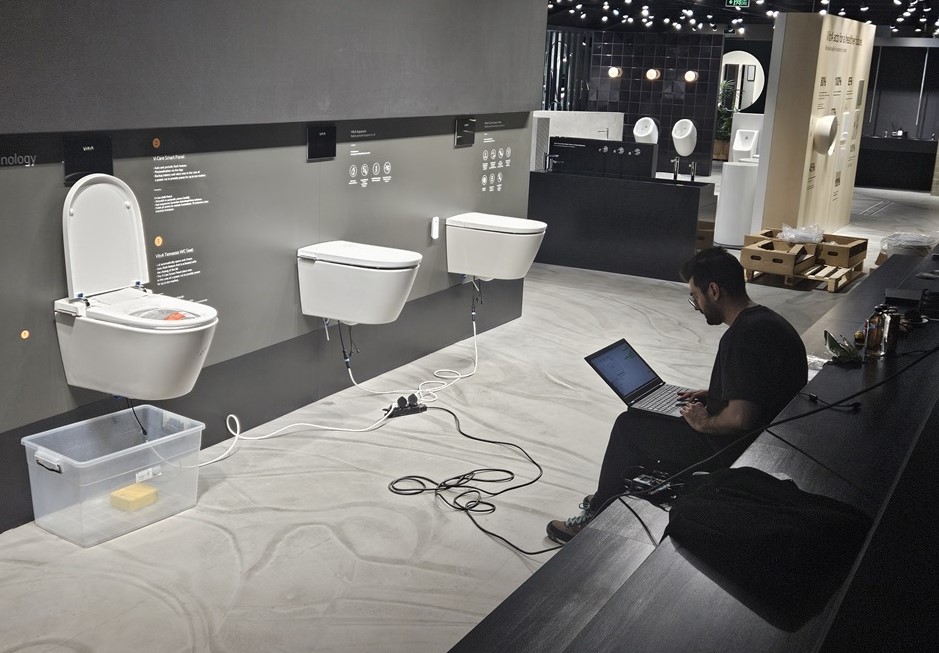
4. Amid all these changes, what role does innovation play? How does the Eczacıbaşı Group's definition of innovation, "New solutions that transform lifestyles for the good of all," come to life in this field?
Batuhan Özdemir: We frame our approach around three key pillars: healthy ageing, wellbeing and smart technologies.
These have become the guiding principles behind our innovation approach. We believe the greatest value lies at the intersection of these three areas, where understanding people's everyday lifestyles enables us to transform them into experiences that are more comfortable, safer and more sustainable.
Today, user expectations are evolving just as rapidly as technology itself. People expect solutions that understand their needs, simplify their lives and fit naturally into their daily routines. That is why innovation is about more than technology alone. It also requires a deep understanding of user behaviour and expectations. This is exactly where the Eczacıbaşı Group's definition of innovation, "New solutions that transform lifestyles for the good of all," comes to life.
In my opinion, innovation's most important role is to make technology invisible. If we can create an experience that feels natural and intuitive without making users feel they are interacting with complex technology, then we have achieved one of the most successful forms of innovation.
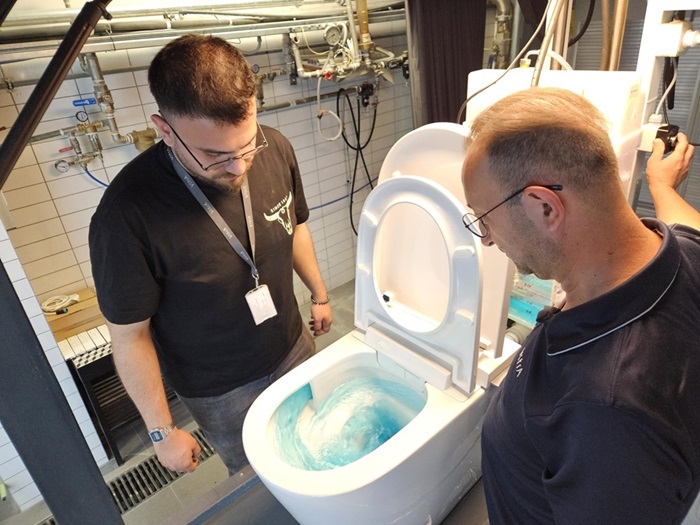
Batuhan Özdemir: "Innovation's most important role is to make technology invisible."
5. Based on these insights, what was the starting point for the V-Care series? What user needs was it designed to address?
Zülkani Durmuş: Although smart toilets such as V-Care have been on the market for many years, they continue to evolve in line with changing user expectations. The V-Care series, together with similar smart toilet solutions, has played an important role in responding to changing hygiene habits and evolving user expectations across Europe.
In Türkiye, users have long been familiar with water based personal cleansing, whereas in Europe, personal hygiene solutions have traditionally evolved around bidet culture and have been shaped by different regulations and usage standards. As a result, solutions commonly used in Türkiye could not simply be transferred directly to the European market. The V-Care series, together with similar smart toilet solutions, was developed to meet the growing demand in Europe for integrated, hygienic and user friendly personal cleansing solutions.
With the launch of V-Care 3, our goal extended beyond delivering effective cleaning. We wanted to bring together touch free operation, which became increasingly important during the pandemic, with greater personal control and comfort. V-Care 3 was therefore designed to reinvent the conventional toilet experience by making it more hygienic, smarter and more personalised.
Touch free functions, personalised washing settings and intuitive user experiences formed the foundation of the product. Building on this approach, V-Care 3 introduced mobile app integration, UV-C cleaning technology, a Duroplast seat and personalised wash settings, giving users even greater control over their hygiene experience.
As one of the most complex products ever developed by VitrA, V-Care 3 required close collaboration between multidisciplinary teams from different cultures throughout the project. During a visit to our product development partner in China, three incense sticks were lit for the V-Care 3 project, creating one of the most memorable moments of the journey. Our Chinese partners believed the incense would bring purification, harmony and peace. For us, the three incense sticks came to symbolise the seamless integration of ceramic, mechanical and electronic systems, as well as the calm and reassuring experience that V-Care 3 delivers to its users.
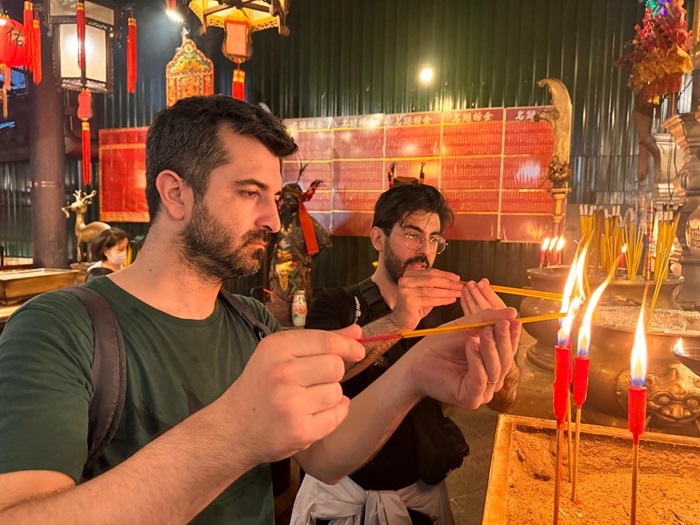
Zülkani Durmuş: "The development of V-Care 3 was driven by close collaboration between teams from different disciplines and cultures."
6. How is V-Care redefining the bathroom experience? Looking ahead, what kind of transformation do you expect users to see in this space?
Batuhan Özdemir: With V-Care, our goal was to make the bathroom experience more hygienic, more personalised and smarter. To achieve this, we developed our microbubble washing technology to deliver a hygiene focused experience while enabling users to create their own routines through Personal Wash Programs.
We also introduced features such as a self-cleaning nozzle and UV-C cleaning technology, allowing the product to operate automatically at scheduled days and times, much like a smart home system.
As we have seen with V-Care, touch-free functions, personalised settings, smart sensors and automated functions that adapt to user habits are becoming essential elements of the bathroom experience. Looking ahead, however, we believe this transformation will extend beyond comfort and personalisation.
Integration with health technologies will be one of the most important developments in this field. Bathrooms are among the spaces where people follow their most consistent and natural daily routines, making them uniquely suited for the passive monitoring of health data without disrupting the user experience. In fact, we are already seeing products capable of analysing urine and stool samples entering the market.
At the same time, as smart home assistants and generative AI become part of everyday life, we expect smart bathroom solutions to play an increasingly important role. Naturally, data security and user privacy will be critical to this transformation. Building users' trust in these technologies will be one of the key factors driving their wider adoption.
In short, we believe bathrooms will evolve into intelligent living spaces that can analyse health data, understand user habits and deliver personalised experiences and recommendations.