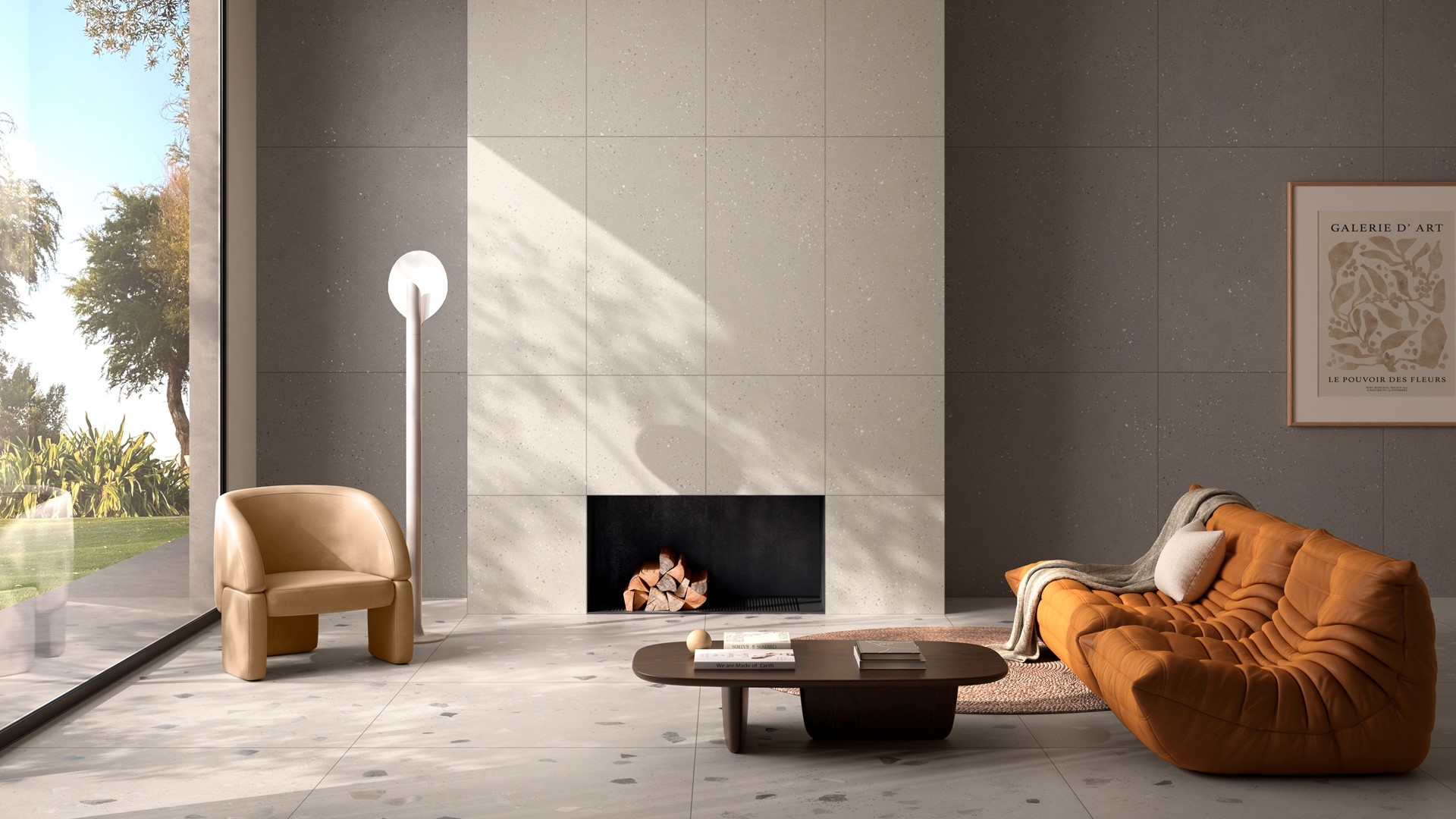
The Eczacıbaşı Group’s tile division brings together three established global brands under one roof: VitrA, Villeroy & Boch, and engers. Shaped by the creativity of designers from different cultures, this shared world of design has given rise to collections that have received more than 70 national and international awards over the past two decades.
Today, tiles are no longer just surface coverings. They have become a design language that adds emotion, identity, and atmosphere to living spaces. At a time when user experience takes center stage and sustainability acts as a driving force behind innovation and design, Eczacıbaşı’s tile brands complement one another while staying true to their distinct identities. VitrA stands out with its young, modern, and sustainability-driven approach; Villeroy & Boch with its deep-rooted European heritage; and engers with its expertise in industrial design.
For Eczacıbaşı Life Blog, we sat down with the people behind this creative richness: VitrA Tiles Senior Design Manager Antonello Soro, along with design team members Selma Gülkan and Ezgi Vural (Senior Designers), and Christiane Lion (Industrial Designer). Together, we talked about how design, sustainability, and innovation intersect, how different cultures come together around the same table, and their expectations for the future of tile design.
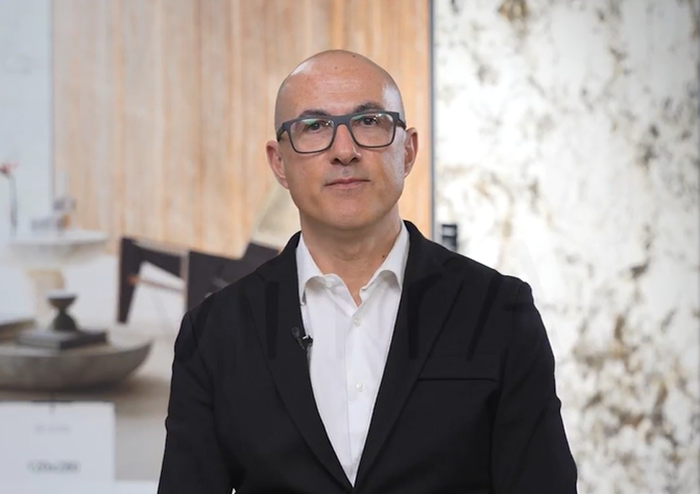
Antonello Soro - Senior Design Manager
Eczacıbaşı’s tile division brings together VitrA, Villeroy & Boch, and engers under one roof. How do brands with such distinct identities come together to create a shared design synergy? How do VitrA’s young/modern identity, V&B’s deep-rooted European heritage, and engers’ expertise create synergy together?
Globalization and internationalization require engaging with a broad, diverse, and demanding consumer base. Having three brands, each consistently and clearly expressing their own style, allows us to meet the wide-ranging needs of consumers across all ages and lifestyles.
Our design approach is the same for all three brands:
We analyze market trends, study their medium-term evolution, identify the style that defines each trend, and focus on those that best represent VitrA, V&B and engers.
Within each trend, we explore new directions in color, surface, material, and form, developing design concepts that highlight its essence. This process is supported by advanced technologies (for example, through the use of digital relief – V-shape and/or Glue + Granule).
One of the trends we have recently worked on, Healthcare & Wellbeing, renamed “Comfort Zone”, focuses on physical and mental health and overall well-being. Its defining elements include soft and warm colors, smooth surfaces, calming design, and a strong emphasis on eco-sustainability.
Although we follow the same guidelines, the response of each brand differs in its design choices, concept, and use of technology.
VitrA follows a systematic, color-based approach, where Terra Melange (2025) and nova vita (2026 – 100% recycled porcelain) stand as clear examples of both continuity in style and concept, as well as versatility through mix and match. Together, they embody the modern, contemporary, and international spirit of the brand.
V&B develops collections and selections (Library) that emphasize material authenticity, sophistication, and a strong sense of identity. Wood Selection (2025), Chateaux Edition One (2025), and Cavira Calm (2026) embody the essence of the trend, expressed through a classic, romantic, and distinctively Northern European style.
With the same approach, we addressed the theme of cement and metal in V&B and engers. In V&B, the Cavira Core (2026) series reinterpret cement, drawing inspiration from the “Emotional Experience” trend, where classical elements merge with modernity, blending opulence, tradition, and sobriety.
Engers, on the other hand, interprets this theme with PHOENIX, remaining true to its technical roots while drawing inspiration from the “Natural Industrial” trend, characterized by warm colors, raw surfaces, and a maximalist aesthetic.
The same trend inspires Engers’ IRONLUX series and, at the same time, V&B’s METALCRAFT, clearly with a more traditional and glamorous impact.
Therefore, the design vision is holistic, with the entire Design Team working by studying and applying the same criteria of analysis. This approach fosters an initial, active, and sustainable synergy, as the creative process operates with a shared foundation. That synergy grows even stronger when we are able to develop different products for different brands, drawing on experience, personal taste, cultural perspectives, and, of course, the distinctive guidelines of VitrA, V&B, and engers.
The 70 awards our collections have received over the past 20 years demonstrate the design strength of the tile division. How would you define the approach behind this achievement?
I believe our approach has remained consistent: we have always sought, and continue to seek, to pursue the “enhancement of the product,” leveraging our creativity and experience combined with the available technological capabilities. Over the years, however, the way tiles are made—and above all, the value they have acquired—has changed, evolving from a humble product into a sophisticated material. Technology applied to ceramic decoration has taken giant leaps forward; for example, the use of ultra-high-definition digital printers or nanopigmented glazes and inks now makes it possible to faithfully reproduce natural materials and, in many cases, deliver superior performance.
All of this is not only influencing but also transforming and enriching the way we contribute with new ideas. The creative focus is increasingly directed toward the creation and reproduction of natural products such as woods, stones, and marbles. Decoration is no longer limited to design alone but also extends to surface, finish, and chromatic complexity. As a result, the product is no longer seen as a simple material, but as part of a broader “concept” in which multiple elements interact.
In parallel, we have gained, and continue to gain, valuable experience in design, interiors, and production dynamics. We have developed a stronger awareness of who we are and who we represent through our brands. We have refined our ability to observe the market carefully without being passively influenced by it, and we have strengthened our capacity to give identity and uniqueness to our collections.
This important achievement demonstrates that attention to design and a project-driven approach lie at the very heart of the Eczacıbaşı Group’s tile division strategy. It is this strategy that has consistently established the strength of our brands among consumers over the years. Those who choose VitrA, V&B, or engers are not only choosing a product but also a style, a recognizable identity they can trust.
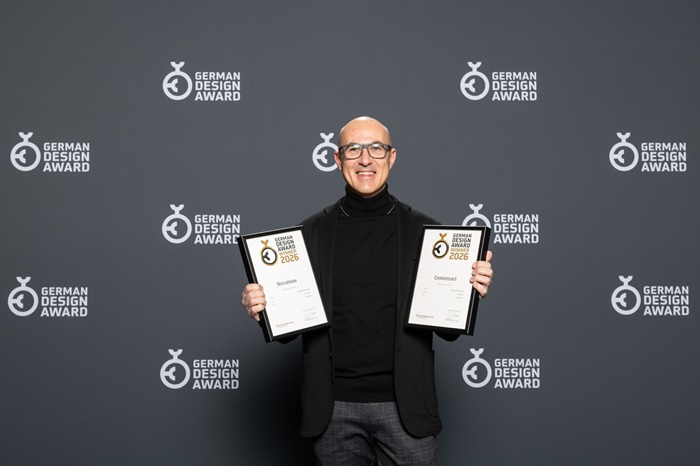
Antonello Soro: “We have always sought, and continue to seek, to enhance the product by combining our creativity and experience with the technological capabilities available to us.”
Tiles are also highly functional products. Where do innovation and user experience come into play in your design process?
Producing and designing tiles today requires in-depth knowledge
across multiple fields. Ceramic tiles cover floors and walls, but also countertops and furniture. Surfaces vary depending on their use, both indoors and outdoors. To address the market, a product must be the perfect combination of all these elements, and design must take this into account. Today, technological innovation allows us to synchronize the relief with the design, the design with the surface, making the product extremely natural, yet with highly superior technical performance. And that's not all: AI is gradually influencing the way we work and even reshaping our overall approach. The process is still under development, but there could be some surprises in the short term.
For your 2026 novelties, the “nova vita” collection produced under the VitrA brand, you are offering a 100% recycled tile option. What does this development mean to you?
In short, a dream come true. Designing a product, a collection, or entire productions entirely from recycled materials means reduced costs, greater efficiency, less pollution and waste, but also offers a high-performance product with a contemporary design that rivals traditional tiles. I think we should all be proud of the result achieved, aware that we are working towards an increasingly eco-sustainable impact.
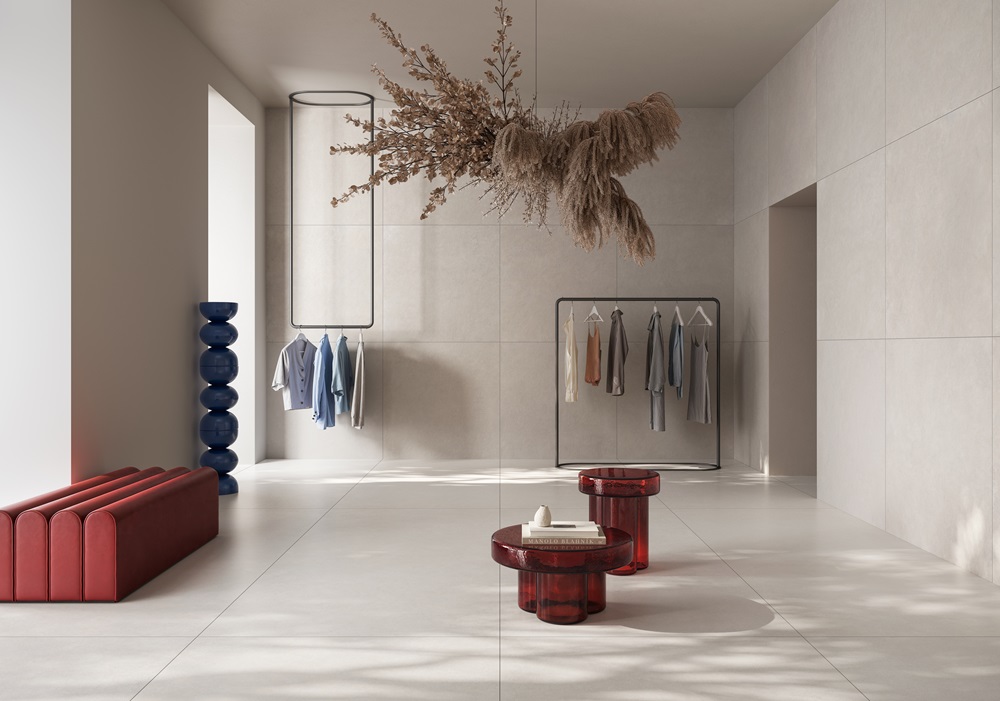
Tile collections are used in many important projects worldwide. Which iconic buildings or projects featuring your tiles have been particularly meaningful to you?
Our tile division has long been closely intertwined with architectural and cultural history, guided by a design-led approach. Beginning with Villeroy & Boch, the story of our tiles is deeply connected to iconic spaces where the brand has become part of Europe’s architectural heritage. From Cologne Cathedral and the Romanesque churches of Cologne to the monastery church in Einsiedeln, Mettlach tiles have shaped sacred spaces for generations. Beyond these, Villeroy & Boch tiles can also be found in landmarks such as the Bolshoi Theatre in Moscow, Thurn und Taxis Palace, the Holland Tunnel in New York, and Dresden’s Pfund Dairy, often described as the “most beautiful milk shop in the world.” They were even used in Stockholm City Hall, where the Nobel Banquet is held, and on the decks of the RMS Titanic.
These projects are not only remarkable references; they also reflect the very identity of the brand. Villeroy & Boch tiles have always represented more than a surface. They embody a creative force rooted in aristocratic origins, European heritage, and a deep connection to nature. This vision gave rise to distinctive style languages such as Classic, Country, and later Metropolitan, which continue to define the DNA of the collections today.
This is where the past and present meet. Tiles that once adorned churches, palaces, and theatres now find new expression in contemporary interiors and architectural projects defined by quality, durability, and a strong European design tradition. In this way, Villeroy & Boch tiles continue to symbolize spaces that both carry history and shape the future.
With VitrA, a different yet equally rich story comes into focus. The brand draws inspiration from Anatolia’s deep-rooted ceramic tradition and the cultural heritage of the Turkish hamam. Its origins trace back to 1942, when ceramic production marked the early foundations of the Eczacıbaşı Group. Over time, this heritage evolved into a powerful, design-driven approach, shaping an internationally influential design language supported by innovation and contemporary thinking.
Today, VitrA tiles can be found in a wide range of prestigious projects, from Istanbul Modern and Berlin-Schönefeld Airport to Moda Pier in Istanbul, Rixos Premium Saadiyat Island in Abu Dhabi, Rabat Marriott Hotel, and Amano Home Hotel in Berlin. Across airports, hotels, museums, restaurants, and public spaces, VitrA continues to bring together design and technology, responding to the needs of contemporary urban life.
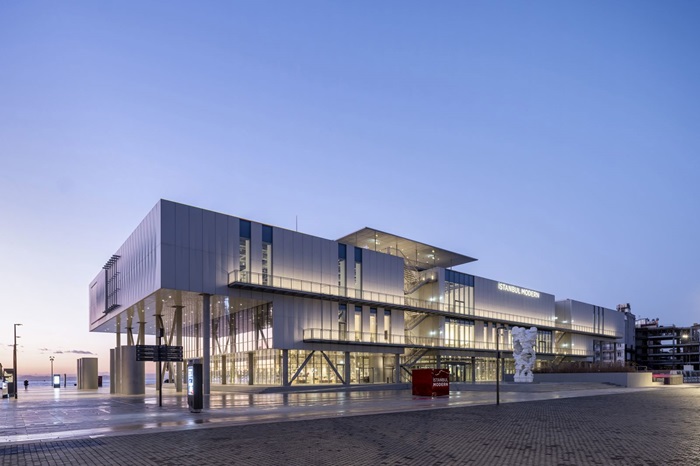
Antonello Soro:
“Our tiles can be found in a wide range of historic and contemporary buildings, from the RMS Titanic and Cologne Cathedral to Istanbul Modern and Berlin Airport.”
VitrA’s showroom in Clerkenwell, London—where tile collections are presented alongside bathroom products—strengthens the brand’s presence on the international design scene. How do such spaces shape your relationship with the design world and the way you engage with users?
Presenting the tile collections alongside the bathroom products is a useful reminder of who Vitra is, its philosophy, and its distinctive style.
Sometimes I'm fascinated by the brand's strength and how strongly it resonates with its diverse audiences, but what surprises me most is that the same audiences come to the brand for different reasons: some know only the bathroom world, others only the tile world. Two parallel worlds that coexist and support each other, bringing with them diverse experiences that fuel the development of new ideas and a constantly updated approach to design and the market.
Moreover, the synergy between these two worlds is an opportunity for me and for the Design Team to interact with professionals (architects and designers, some of them internationally renowned) who think big and come from multidisciplinary backgrounds.
Their vision goes beyond the ceramic and bathroom sectors, questioning the future of lifestyle, space management, public mobility, the concept of beauty, and the enhancement of everything that surrounds us and that we inhabit/live in—and much more. They seek answers and promote solutions. In my view, interacting with them is an incredible source of knowledge and helps me understand how to work alongside my team. It is also a way to build professional relationships, share projects, and often face challenges together. An architect, an interior designer, or anyone working in the world of design must be able to anticipate new trends and emerging needs: staying within this “sphere” means being one step ahead—or at least keeping up to date with consumer demands.
Your design team is composed of designers from different cultural backgrounds. How does this cultural diversity feed your creativity and design output?
Having an international team means promoting different cultures, lifestyles, experiences, tastes, and visions. Creativity requires all of this. It is this diversity that fuels discussion and leads to new horizons. Of course, the team must follow design criteria that reflect the production environment and closely monitor the market, but being able to leverage such diverse expertise helps us better understand our target audience and create inspiration for our audience.
Looking ahead, what do you believe are the main trends shaping tile design in coming years?
Talking about trends in ceramic design is very difficult and depends on the type of product and the format being promoted. In general, I think a lot has been explored (if not everything) from a design perspective. Thinking of Vitra, V&B, and Engers, I believe the trend is more focused on stone, concrete, wood, and high-end cladding.
In general... the trend will be to combine technology with design to achieve a natural result in both aesthetics and finishes, with high technical and eco-sustainable performance for the ceramic product.
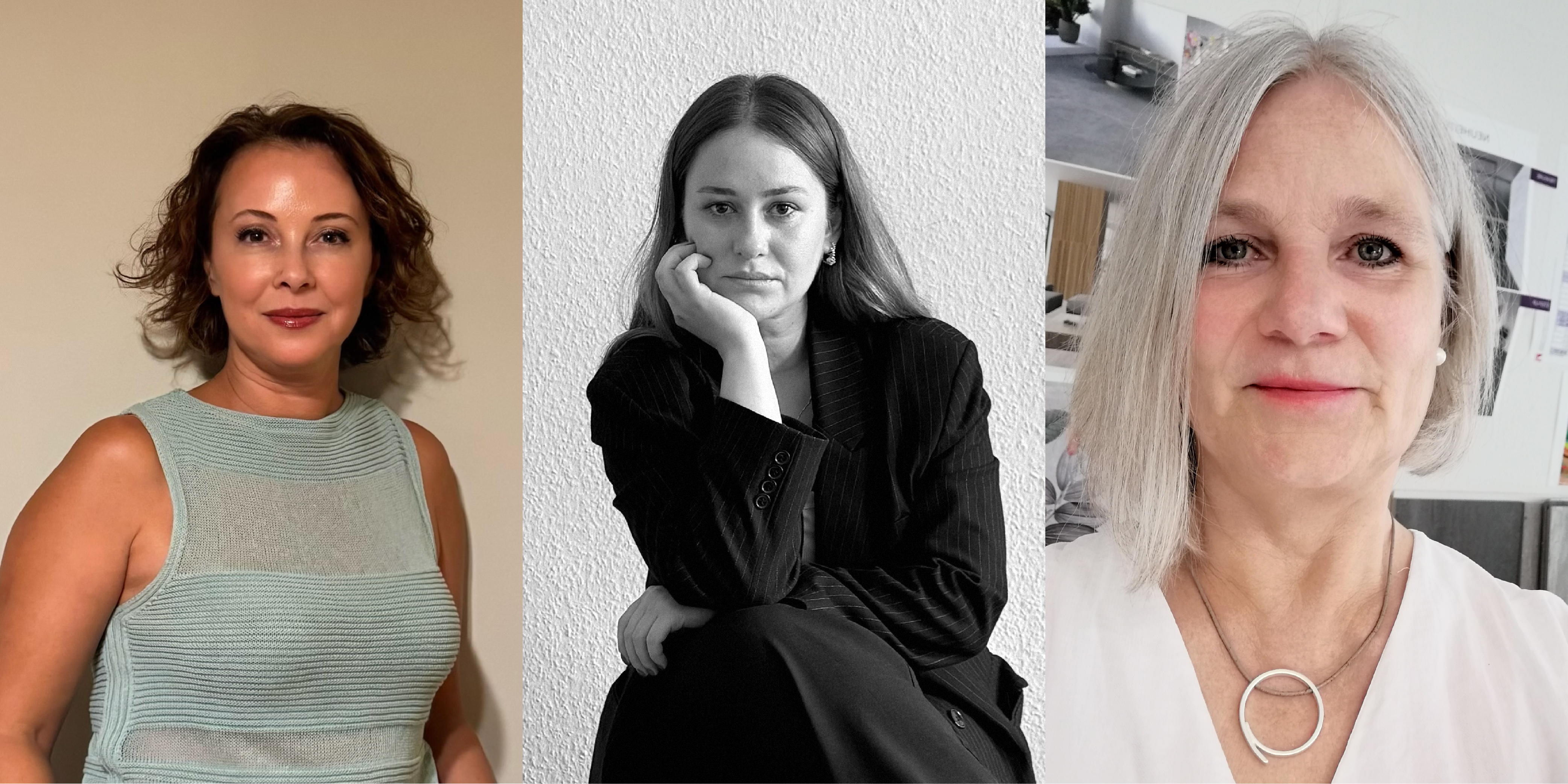
Shaped under the leadership of Antonello Soro, the design approach is further enriched through the collective contributions of his team. Senior Designer Selma Gülkan, Senior Designer Ezgi Vural, and Industrial Designer Christiane Lion shared their perspectives in response to our questions.
What does being part of an international design team at VitrA Tiles mean to you?
Selma Gülkan: Being part of the design team at an international brand like VitrA Karo is not only a creative production environment for me, but also a powerful learning environment where different cultural perspectives and experiences converge. Contributing to the development of a global brand's vision, design language, and products is both a responsibility and a great source of motivation for me and my teammates.
Ezgi Vural: Being part of an international team at VitrA Karo is both a great pride and a unique journey for me. Of course, taking on the design responsibility of such a established brand can feel daunting at times. However, thanks to our team's experience, harmony, and creative energy, we overcome all challenges together. Even though we are in different countries, the strong bond and shared vision between us always keep our dynamic alive. Meeting at our production center to share our ideas, think, and produce together not only strengthens us but also pushes our designs forward. Every day, we grow and develop by learning from each other, transforming our design journey into a shared success.
Christiane Lion: Working within an international team enables close collaboration in research and development, particularly in trend analysis and the observation of new technological developments. The team benefits from learning from one another – both in transferring design into production and in addressing different design approaches for national markets.
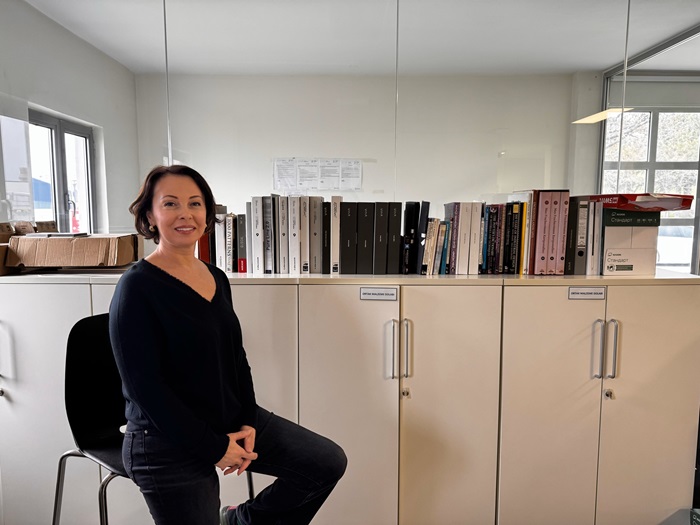
Selma Gülkan: “Being part of the design team of an international brand is, for me, not only a creative production environment but also a powerful learning environment where different cultural perspectives and experiences come together.”
How does your brand’s identity (VitrA’s modern spirit, V&B’s heritage, engers’ expertise) influence your design approach? How do you position your own perspective within VitrA Tiles’ overall design language?
Selma Gülkan: The identity of the VitrA Tiles brand serves as a framework and guiding principle in my design approach. In my designs, I take into account the brand's values, aesthetic language, and connection with its target audience, developing solutions accordingly. At the same time, I strive to add uniqueness and innovation to the brand by supporting this identity with my own creative vision.
Ezgi Vural: Our brand identities are central to our design processes. When working on a new collection, we first examine its connection to our brand's history, its similarities, and its points of difference. We also examine its reflections in our other brands and meticulously tailor our material selection to the brand's pricing position.
My personal design language is more youthful and contemporary. However, accurately understanding Villeroy & Boch's deep-rooted history, design DNA, and heritage, and reshaping my own style accordingly, is a priority for me. For example, while floral decors are common in many brands, for VitrA, I work with more minimal and simple textures, while for Villeroy & Boch, I prefer more layered, artistic drawings and striking materials. This way, each brand reflects its own unique spirit, and I have the opportunity to integrate my diverse perspectives with these spirits.
Christiane Lion: I work for two different brands: Engers and Villeroy & Boch.
Engers stands for inspiring tile design with plenty of room for fresh ideas and bold creations. The collections are deliberately unconventional, trend-oriented, and always in tune with the times. They give people the opportunity to express their own style and design spaces individually. What’s particularly important to me is the motto Mix & Create: the series can be combined with one another, decorations play a central role, and they open up many creative possibilities.
I closely observe developments in interior design – which colors, surfaces, and materials are currently relevant. This sense for trends is my starting point. But it’s not just about reflecting trends – it’s about adding something new and inspiring to them. Each collection receives its own story from me. This story guides me through the entire design process and carries through into the marketing.
With Villeroy & Boch, the foundation is completely different. The company has a long, significant history, with roots also in France. Here, I must always keep the value and heritage of the brand in mind. The results have to be premium, timeless, and absolutely true to the brand. While my work for Engers is more playful and trend-driven, V&B requires thorough research and a deep engagement with history.
A new design must fit into the historical context while also having international relevance. After all, V&B speaks to a global audience that expects the highest quality. That’s why, in addition to history, I also engage intensively with the latest technologies in tile production. Innovation is crucial to giving the brand a competitive edge while remaining true to its identity – it’s about respecting tradition and carrying it forward into the future.
What does user experience mean to you in design?
Selma Gülkan: For me, user experience forms the core foundation of the designs created and the products produced. Because it is as important for a design to be aesthetically or technically strong as it is for the user to experience it in an easy, understandable, and enjoyable way. When I put user experience at the center, I aim to create solutions that not only appeal to the eye but also simplify life and add value.
Ezgi Vural: User experience serves as our compass. When we monitor trends, we evaluate them not only with current aesthetic concerns but also by integrating them with user preferences from previous years and our brand identity. User expectations are shaped by the technical details of a design, as much as its visual aspect.
A product's intended use guides our entire design process, from surface texture to size selection. We typically determine these key decisions at the very beginning of a collection, and then we build our entire creative process around this framework. Thus, each collection we create not only possesses aesthetic value but also offers an experience that resonates with the user and integrates with their living space.
Christiane Lion: When I see customers react to a surface, a color, or a detail in the showroom, it’s an incredibly valuable moment. Their spontaneous feedback — whether it’s excitement, curiosity, or even hesitation — tells me so much more than any trend report ever could.
These impressions stay with me and often spark new ideas. They influence the way I refine a collection, adjust proportions, or even rethink certain decorative elements. In that sense, user experience is not just feedback — it becomes part of the creative process itself. It closes the loop between design, the emotions it evokes, and the way a collection is ultimately embraced
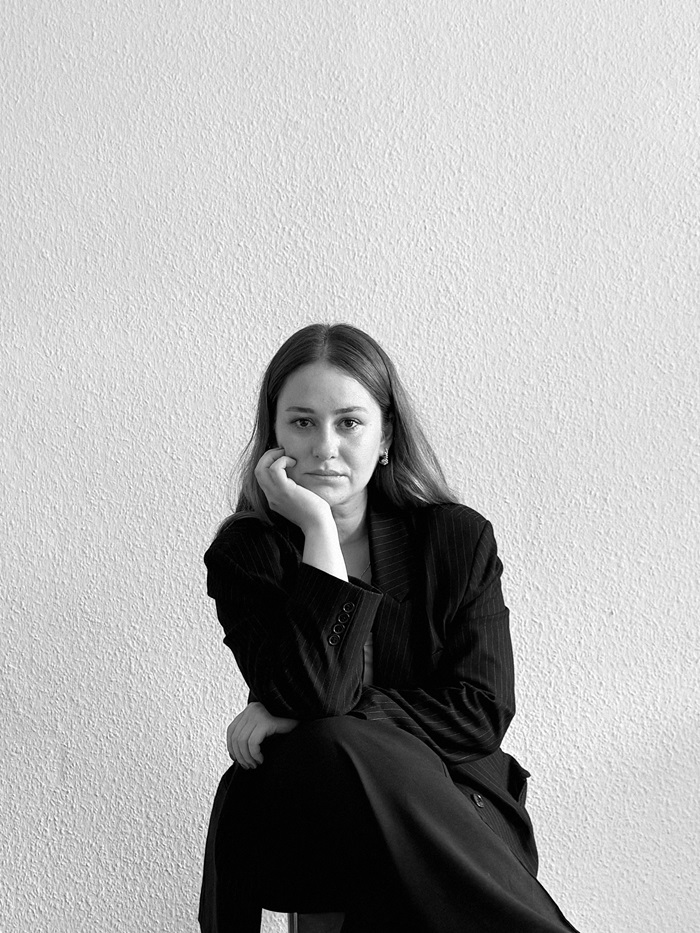
Ezgi Vural: “Each brand reflects its own unique spirit, and I have the opportunity to integrate different perspectives with these spirits.”
How do you define success? What determines whether a design or a collection is truly successful?
Selma Gülkan: I define success not only in terms of aesthetic or commercial criteria, but in a multidimensional way. For a design or collection to be considered successful, the concept presented must first be based on a strong and original idea, and then this idea must be integrated with the right materials, techniques, and craftsmanship. In addition, it must be consistent with the brand's identity and strategy, approach sustainable production principles, and offer an innovative contribution to the industry. The final stage, user feedback, sales performance, and long-term longevity, reveals whether that design has truly achieved success.
Ezgi Vural: For me, success means, first and foremost, transforming an idea or dream into a final product, overcoming all obstacles throughout the design process. The excitement we felt at the outset is reflected with the same vibrancy in the final product, which is the most valuable achievement of the journey. Of course, in addition to this emotional satisfaction, there are other indicators that solidify success: design awards, user engagement, and sales figures. Each of these are important milestones in reaping the rewards of our hard work. But for me, the purest and most authentic success is seeing an idea we envisioned come to life.
Christiane Lion: The success of a collection depends on the depth of engagement with relevant themes. A design must reflect the zeitgeist and convey a clear story, which is consistently carried through all marketing tools. Honesty and the ability to convince customers are essential factors for success.
How is a sustainability-focused approach (for example, innovations produced with 100% recycled content) transforming your design process? How do sustainable materials and processes influence your aesthetic language? For instance, in pigment/glaze decisions, surface textures, or format choices, how do you make sustainability visible?
Selma Gülkan: A sustainability-focused approach transforms my design process not only in terms of the materials used, but also in terms of my thought process. Working with 100% recycled content or low carbon footprint materials guides me towards making more conscious choices. This aesthetic also directly reflects in my work: for example, choosing pigments or glazes, or selecting surface textures accordingly.
Therefore, sustainability is integrated into the process not only as a visible feature, but as a value that nourishes the conceptual integrity of the design.
Ezgi Vural: Sustainability has been a significant turning point in our design approach in recent years. When working in this field, we begin not with an idea or a sketch, as usual, but with the limits of our technical possibilities. We define our framework by seeking answers to questions such as which body colors we can use, which surface applications are possible, and which formats can be produced. Then, within these boundaries, we begin to explore new aesthetic paths.
This approach not only guides our design process but also gives it new depth. Sustainable materials visibly influence numerous decisions, from the shades of pigments used to glaze decisions, from the simplicity of surface textures to format choices. By making more sensitive and conscious choices at every step, we are pushing design into the future. And I see that we are taking bolder and more powerful steps in this area every day.
Christiane Lion: Sustainability is regarded as a key success factor. Customers expect honest and transparent communication about materials and production processes. Design decisions for sustainable products are especially important, as they may involve variations in appearance. However, these differences are accepted when the design is embedded in an authentic story. Sustainable materials and processes therefore influence both the aesthetic language (pigments, glazes, surfaces, formats) and the prioritization when balancing user experience with ecological goals.
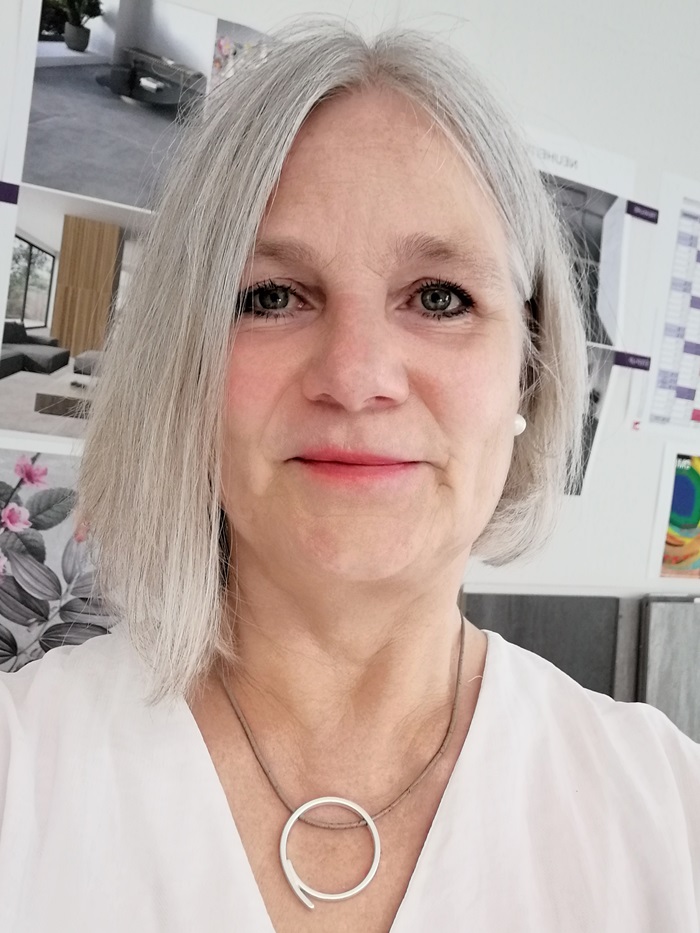
Christiane Lion: “When user experience and environmental goals come into conflict, our priority is to bring them together through an authentic story and a balanced design.”
When user experience and sustainability goals come into conflict (ease of maintenance, slip resistance, hygiene, color stability, etc.), how do you prioritize your design choices?
Selma Gülkan: Although user experience and sustainability goals may sometimes appear to have different priorities, I shape my design choices within a framework that balances these two dimensions. User health and safety (such as slip resistance, hygiene, and ease of maintenance) are important considerations for me. However, while meeting these criteria, we also strive to integrate sustainability from material selection to production methods. When it comes to color stability or durability, it is beneficial to opt for long-lasting and recyclable solutions. In other words, I focus on creating solutions that guarantee user experience in the short term while minimizing environmental impact in the long term.
Ezgi Vural: In such cases, the decision doesn't rest solely with the designer; it's shaped by the collaborative evaluation of various disciplines, from engineering to production. First, we ask ourselves: What is our primary goal? Simply creating a sustainable product isn't enough; it must also be functional, aesthetically pleasing, and align with our brand's language.
For a design to be truly successful, it must be manufacturable and maintainable over the long term with the same high quality. Therefore, throughout the process, we strive to strike a balance between aesthetic values and technical requirements. Every detail—from slip resistance and surface hygiene to color stability and ease of maintenance—is incorporated into our design decisions. The resulting product is both environmentally friendly and seamlessly integrated into users' daily lives.
Christiane Lion: I always put safety and required standards first — for example slip resistance or hygiene, because these are not negotiable. After that, I look at the whole life cycle of the product. A durable, color-stable, and easy-to-maintain tile is often more sustainable than a design that only looks good for a short time. My goal is to design surfaces and materials in a smart way, so usability and sustainability support each other instead of being in conflict.