
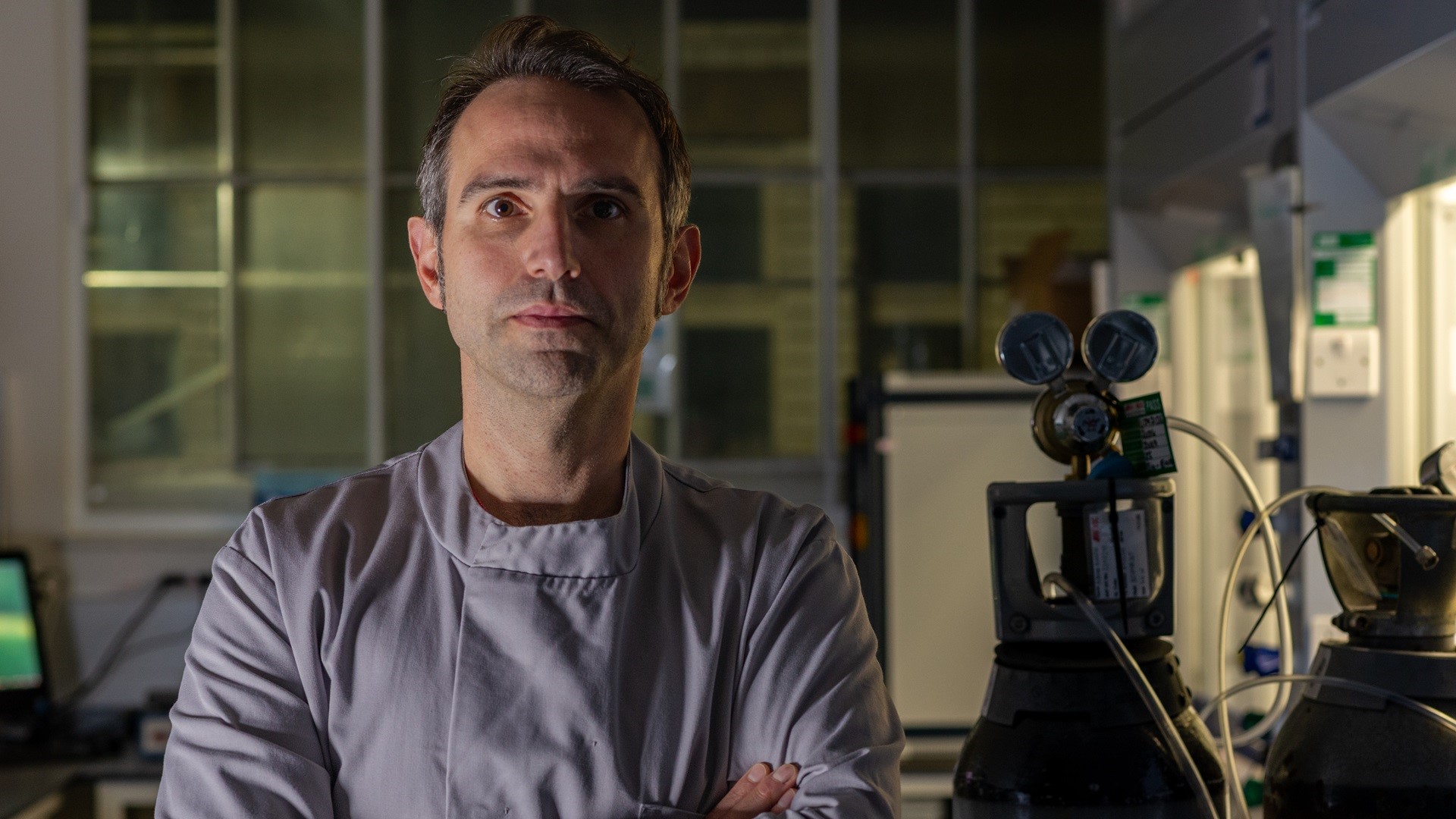
From sensor technologies to biomedical innovation, deep-tech entrepreneurship to data-driven solutions, Prof. Dr. Fırat Güder is dedicated to turning scientific knowledge into social benefit.
Now located at Imperial College London, Prof. Güder is recognized for his research in sensor technologies and biomedical systems.
Named one of the “Ten Outstanding Young Persons of the World” by Junior Chamber International (JCI) in 2022, he stands out for his international achievements at the intersection of science and entrepreneurship, his scientific leadership, entrepreneurial experience, numerous international awards, and active role in fostering collaboration between the private sector and academia.
We spoke with Prof. Güder for Eczacıbaşı Life Blog about his professional journey, the future of biomedical innovation, partnerships between academia and industry, the balance between science and entrepreneurship, and his advice for young researchers.
Let’s start by getting to know you. Your journey, which began in Türkiye and has taken you to many countries around the world, has been shaped by different cultures and experiences. How did this journey begin and evolve for you, both as an academic and as an entrepreneur? How do these two paths coexist, and what do they contribute to each other?
My first entrepreneurial experience was when I was seven years old in my hometown, Şanlıurfa. In primary school, I used to buy sticker packs from a stationery shop and sell them to my classmates. I still smile when I remember how much I enjoyed those small trades that earned me a little profit. Around the same time, I took an interest in computers and decided what I wanted to do in the future: I wanted to work in technology. Since then, the only thing that’s changed is the details. The same passion still drives me today.
Although academia and entrepreneurship may seem like very different worlds, they’re quite similar. Both science and entrepreneurship require strong risk management skills. In both fields, I think the main question is the same: What should be my next step to move me closer to the final goal? The process is also similar: forming a hypothesis and testing it. Both scientists and entrepreneurs are comfortable with risk, or at least find it less intimidating, which makes them alike in character.
Of course, there are also major differences. For an academic, educating and training people is as central an objective as developing new technologies and synthesizing new ideas whose applications may not even be clear. But this also gives academics interested in technology and deep science entrepreneurship a significant advantage. Students interested in entrepreneurship, especially those at the doctoral level, can receive scientific training while taking their first steps in entrepreneurship, often without taking major risks.
Working with my students on new ideas and ventures is one of the most enjoyable parts of my job, and continuing to do so successfully in the future remains my greatest aspiration.
Can you tell us about your field of research and why it’s critical for the future?
Because nature doesn’t care about disciplines when solving problems, I’ve realized our scientific approach to solving problems needs to be multidisciplinary as well. Our research, therefore, lies at the intersection of materials science, chemistry, electronics, signal processing, artificial intelligence, and biology. The goal of my research is to create intelligent interfaces between biological and chemical systems and computers to better understand and control these complex systems. Our work involves the creation of sensors, which convert chemical, biological, or mechanical signals into electrical signals; and actuators, which do the opposite and convert electrical (or other) signals into chemical, biological, or mechanical outputs (such as robotic limbs). These systems are supported by data and signal processing techniques, particularly artificial intelligence.
In short, we use sensor technologies to understand how biological and chemical systems work, and actuator technologies to control them. We apply the technologies created to address problems related to human and animal health, such as diagnostic testing, as well as to challenges in food systems and the environment.
Although what I describe may sound complex, the core concepts are quite simple. Let me give an example to explain why our work is important now and will be even more relevant in the future. Wearable technologies like smartwatches, which are very popular today, are equipped with many sensors. These sensors convert biophysical signals such as heart rate, breathing patterns, and activity levels into digital data. On their own, individual measurements or clinic-based readings don’t reveal much. The real insights come from observing how these data change and evolve over time through continuous measurements.
My research group develops new biophysical and biochemical sensors that can be worn or implanted in the body to collect long-term, continuous data from humans or animals. By analyzing this data with artificial intelligence and signal processing methods, we can compare your current health status to your own past biometrics rather than to population statistics. In today’s medical systems, personal health metrics are often evaluated against database statistics. What we do instead is called personalized medicine — a diagnostic approach that uses you as the reference point. This will allow for much earlier detection of diseases and more effective treatments in the future. Of course, this is just one of many projects we’re working on.
“The greatest impact of interdisciplinary approaches in the healthcare sector will most likely be in personalized medicine.”
What do you think will be the most transformative scientific and technological developments of the next ten years?
There’s a saying often attributed to Abraham Lincoln: “The best way to predict the future is to create it.” Predicting the future is really difficult, because a single discovery in a small laboratory can change everything. For example, the invention of lithium batteries led to the development of electric cars and smartphones and helped reduce the environmental impact of heavy metals. But looking at my own work and that of scientists around me, I can make a few predictions.
The first is artificial intelligence and its applications. I put AI at the top of my list because rapid progress in this area is software-based, meaning it relies on existing computing infrastructure. Even if we were to accelerate computing capacity rapidly, for example by building data centers powered by nuclear energy, I believe progress in this area will eventually slow down because of the scarcity of new data to train these models. That’s the main challenge and where sensor technologies will play a key role, since most new data is produced through sensors. There’s still much to be done in the field of chemical and biological sensing. Regardless, it’s certain that artificial intelligence will continue to increase efficiency and help solve complex problems in all fields of application.
The second is the environment. I believe we’ll see major changes in energy, agriculture, food, and transportation to reduce the damage we inflict on our planet. Longer lasting and more affordable batteries, along with the widespread adoption of electric vehicles, are already reducing urban air pollution and carbon emissions. Nuclear power is also making a comeback as a low-carbon energy source. In addition, the production of chemical fuels from sunlight, known as solar fuels, is a remarkable concept that aims to generate sustainable fuels without changing the existing fossil fuel infrastructure.
Beyond energy, the environmental impact of agriculture and food systems is also evident. Globally, about one-third of all food produced is never consumed and ends up as waste — a tremendous loss that reveals the inefficiency of our food systems. Many scientists, including my group, are working to develop technologies to reduce this loss. In agriculture, efforts are underway to make chemical use more efficient, to design and produce environmentally friendly compounds, and to explore new genetic technologies. In the food industry, we’re also likely to see an increase in the use of biodegradable materials to replace conventional plastics and reduce pollution.
The third is healthcare. I expect major advances in the next decade, many of which will be linked to sensors, actuators, and artificial intelligence. Low-cost diagnostic kits and wearable sensors will make it possible to detect diseases much earlier and tailor treatments to individuals. Smart implants and wearable robots will revolutionize rehabilitation and treatment. These technologies won’t just impact human health but also the health of animals, including cats, dogs and other pets.
In therapeutics, immuno-oncology — programming the immune system to fight cancer — as well as nucleic acid-based treatments and vaccines such as mRNA and DNA, are particularly exciting. Organ-on-a-chip models, which simulate organ functions, are already accelerating drug development and enabling more effective therapies for many diseases. Cell-based therapies also hold great promise, especially for reversing conditions like diabetes.
Finally, I’d like to mention my expectations for developing regions of the world. As our understanding of human biology improves, new public health programs will help reduce childhood mortality caused by malnutrition and malaria, while improving maternal and infant health. Developments in these areas are deeply inspiring, though advancing public health in developing regions remains challenging due to geopolitical instability.
There’s much more to discuss, of course, but this is a good starting point. In the coming years, other major forces shaping the future of science and technology will include cybersecurity, semiconductors, and space technologies.
How do you think an interdisciplinary approach that intersects, for example, biology, engineering, and data science will shape the future? Which fields will emerge or transform as a result, particularly in healthcare?
Interdisciplinary thinking will have a profound impact on every aspect of our lives, from smart cities and logistics to healthcare technologies. Interdisciplinary approaches are essential for solving many problems more efficiently, especially in fields related to biology. I believe this mindset will lead to the development of new technologies in food, agriculture, and both human and animal healthcare.
The greatest impact in the healthcare sector will most likely be in personalized medicine. Wearable sensors, smart implants, bioelectronic therapy devices known as “electroceuticals,” human–machine interfaces such as soft and hard robotic prostheses, and low-cost digital diagnostic tests are becoming increasingly important for advancing personalized medicine. The development of all these technologies requires an interdisciplinary approach.
At the heart of these systems, signal processing and artificial intelligence play a critical role in turning data into knowledge and knowledge into solutions.
“Predicting the future is really difficult, because a single discovery in a small laboratory can change everything.”
The private sector plays a critical role in putting academic research to practice. How do you think these collaborations affect the pace of science? How is the rapid evolution of technology transforming the dynamics between academia and industry?
In my view, collaboration between academia and the private sector accelerates both the speed and impact of research. It creates a positive feedback loop where those working on real-world problems in industry provide insights to researchers working on solutions.
Academic institutions typically operate at the frontier of human knowledge, at the boundary of the unknown, so their research often involves high levels of risk. In today’s fast-moving world of science and technology, academics and research groups play an important role in reducing that risk by applying their expertise to early-stage studies that benefit the private sector. Additionally, university-based start-ups often play a crucial role in bringing new technologies to market when established companies perceive new technologies to be too risky. This, too, represents a clear gain for both the scientific and industrial ecosystems.
Artificial intelligence has now become an essential part of research. How do you use AI? Do you think it reduces scientists’ curiosity or helps them ask new questions?
I use artificial intelligence in literature reviews, coding, and sometimes in the design of experiments. I use it every day, and I can say it’s made my life much easier.
However, AI’s “hallucination” problem, its fabrication of answers, continues to be a major issue, so it’s always crucial to examine the outputs of AI models very carefully. Naturally, this requires that users of these technologies understand their limitations.
In the end, it’s currently impossible for AI models to know what humanity doesn’t yet know, because these models are trained on existing data and do not self-learn through trial and error.
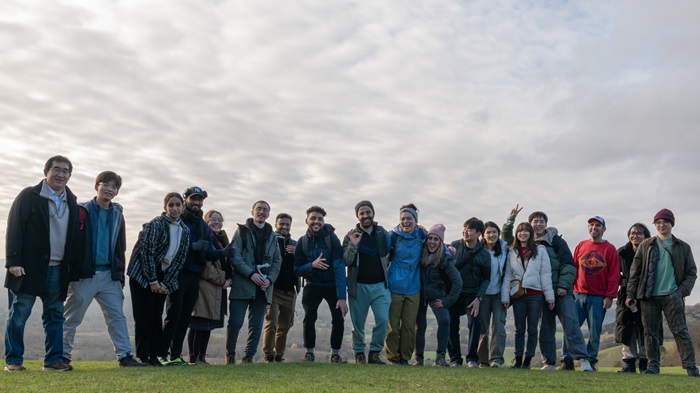
“Good teams can turn bad ideas into good ones, but bad teams generally can’t even make headway on good ideas.”
What are your key innovation steps? Do you apply any rituals, methods, or unique approaches to your team’s innovation process?
My top priority is my team. The reason is simple: Good teams can turn bad ideas into good ones, but bad teams generally can’t even make headway on good ideas. At least, that’s been my experience, which is why I value the team more than the idea itself.
I’ve also realized that experience isn’t always what matters most, especially at the very beginning of a journey. With AI models and the internet, access to information is the easiest it’s ever been in human history. What really matters is being pragmatic and open to learning and personal growth.
In your view, do large industrial companies and the private sector have a responsibility to address global challenges?
Unfortunately, capital markets tend to encourage short-term private sector gains and discourage long-term investments vital for humanity and our planet, which often require five, ten, or even fifteen years to mature.
Not all problems can be solved with software technologies. Working with atoms and matter is much slower than working with bits and bytes. That’s why the private sector needs to be more courageous and consistently make substantial investments in research and development. Once you fall off the technology train, it’s very difficult to get back on because that train doesn’t move forward at a constant speed, it keeps accelerating.
Deep technology ventures are often initiated by only a few people working out of a laboratory. These teams usually have little or no access to investment capital or manufacturing infrastructure. They also tend to lack the networks needed to bring their innovations to global markets. The private sector can make a tremendous difference at this stage by taking a close interest in these small ventures and providing not just funding but also guidance and networks.
All of this is directly linked to risk appetite. Large companies should increase their tolerance for risk and build closer partnerships with universities. Likewise, universities should start viewing the private sector not as a source of income but as a genuine partner.
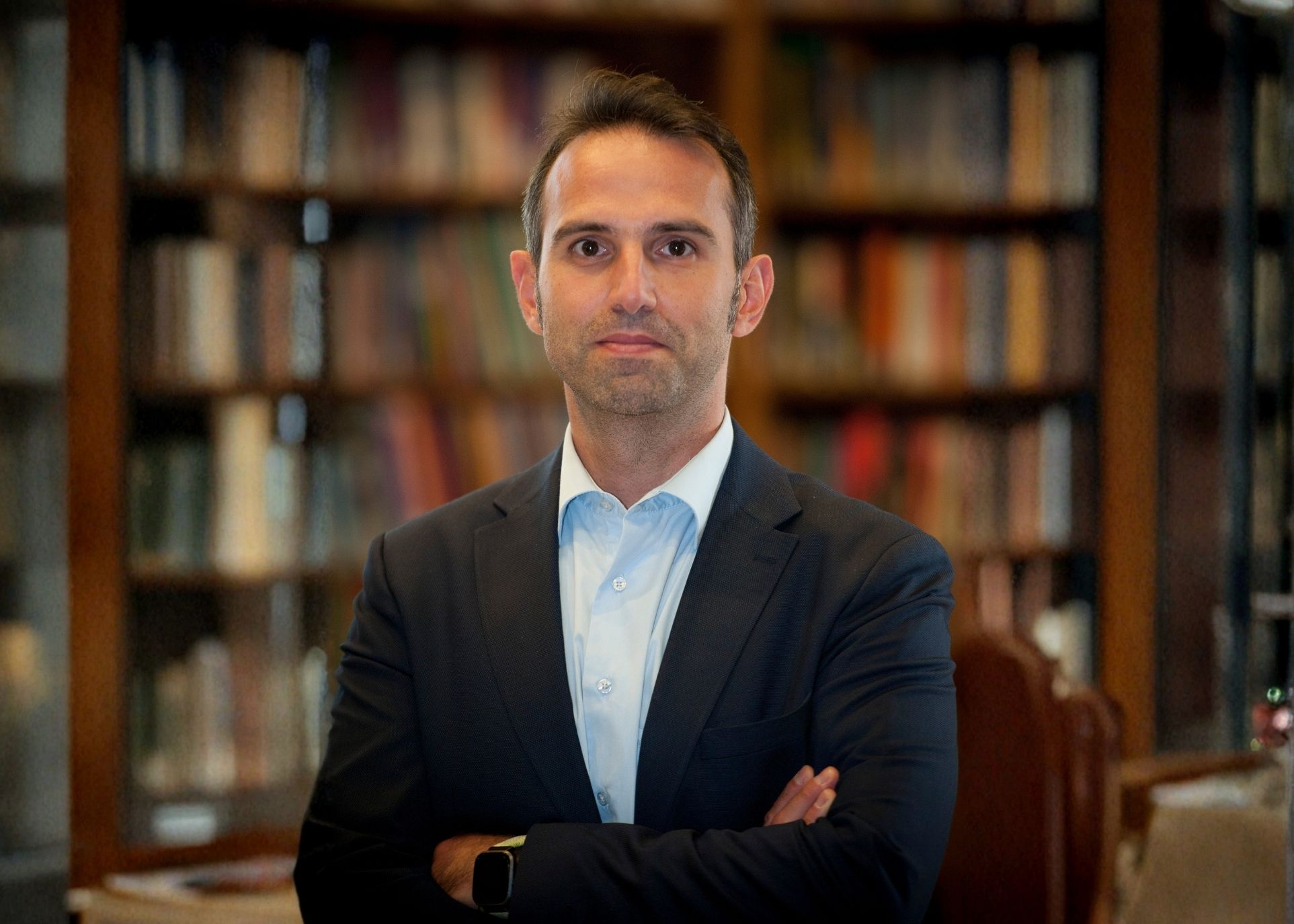
“The best time to start investing in knowledge was yesterday, and the second-best time is today.”
Funding scientific research that aims to solve global challenges is of great value to the research community. We know that you’ve also been collaborating with the Bill and Melinda Gates Foundation. Could you tell us more about this collaboration? What have you observed while working with Bill Gates?
My research group has been receiving funding from the Bill and Melinda Gates Foundation (BMGF) for about seven years. The foundation is particularly interested in low-cost, next-generation chemical and biological sensor technologies and in using these innovations in developing regions, such as East Africa, where our projects are based. The goal is to collect data in areas like agriculture, food, and human health, and to develop data-driven solutions for real-world problems.
Like everyone in the scientific community, Bill Gates recognizes that data and information are the most critical factors in making informed decisions. So, he’s deeply interested in digital technologies that can be used to collect chemical and biological data. The reason is clear: when individual data points are digitally stored in a central database, their combined analysis can reveal far more information by uncovering hidden relationships than the single data point by itself. This process often involves artificial intelligence, statistical methods, and signal processing.
In truth, our vision and the foundation’s vision are almost perfectly aligned. What impressed me most about Bill Gates was his deep understanding of every project the foundation supports. He not only oversees his massive organization but also understands why each project matters. His awareness of the details was evident from the insightful and technical questions he asked. I was genuinely surprised by how closely and attentively he engages with projects, especially given his busy schedule. It was also a pleasant surprise to discover that we’ve read some of the same books — a small but memorable detail from our meeting.
What advice would you give to young scientists who dream of pursuing an international career? What would you say to those who dare to chase their ambitions?
Everything big starts small. Beginnings are always the hardest because it’s difficult to see the path ahead and to predict which small initiatives will grow into something great. But it’s essential to start somewhere, no matter how small.
There’s one thing I often tell my students. Although it’s unlikely, it is possible to become rich overnight — for example, by winning the lottery. But it’s impossible to educate yourself overnight, at least until we develop technologies that allow us to upload knowledge directly into our brains.
That’s why I always encourage my students to start this long journey of learning as soon as possible and to take it seriously by dedicating time every day to active learning. The best time to start investing in knowledge was yesterday, and the second best time is today.